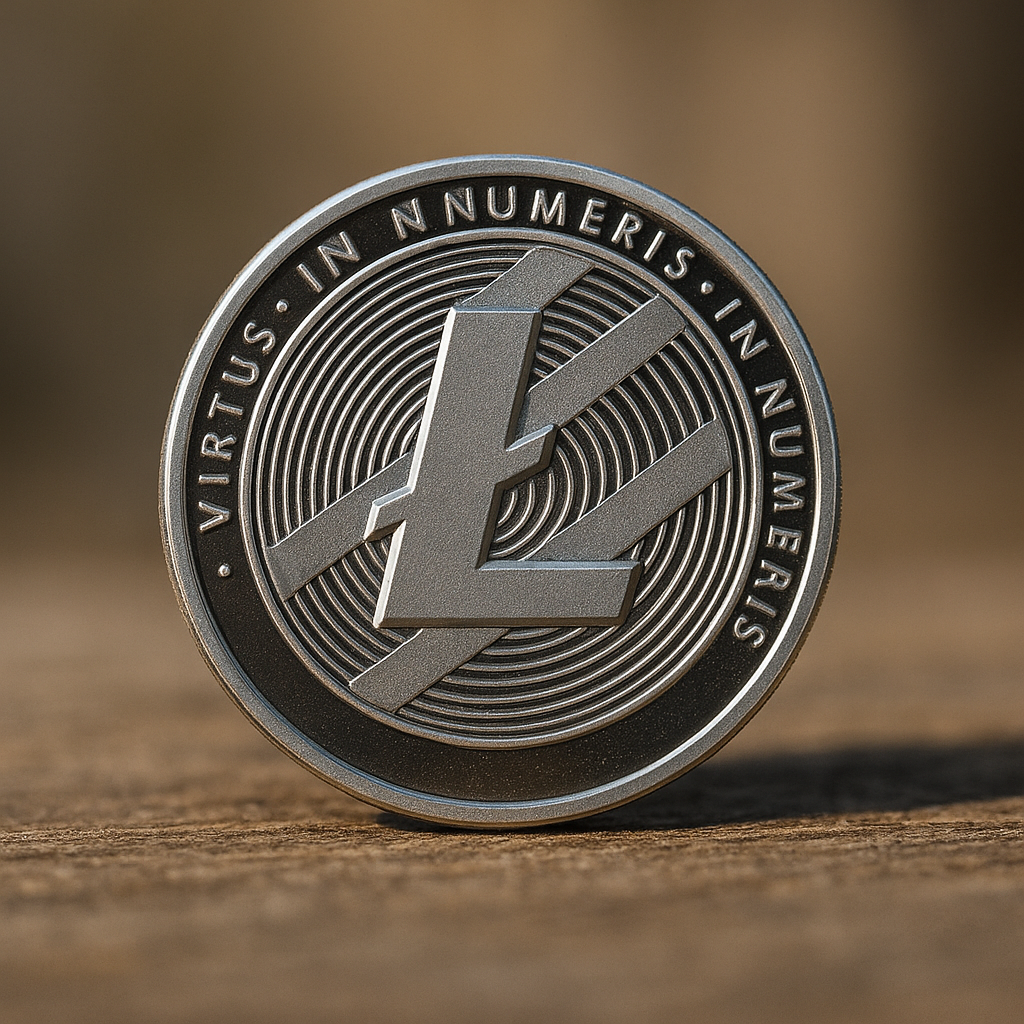
The cryptocurrency revolution, fueled by bitcoin’s soaring popularity despite its relative infancy, has led to the emergence of numerous competitors. As both retail investors and institutional players infuse new capital, these alternative cryptocurrencies, labeled “altcoins”, attract fresh attention. Among them stands out, drawing significant attention for its widespread appeal, market size, and potential for broader acceptance from both traders and businesses.
Although Litecoin was launched in bitcoin’s shadow, it drew inspiration from the ‘King Coin’, particularly its decentralized currency approach. Charlie Lee, former Google employee and Director of Engineering at one of the largest exchanges, Coinbase, founded Litecoin. Interestingly, Coinbase was the pioneer in listing Litecoin alongside bitcoin and Ethereum. While many perceive Litecoin as a bitcoin replica, technical aspects distinguish the two, leading to varied perceptions. These distinctions are pivotal in determining Litecoin’s pricing as well as its favorable image among traders and enterprises.
By mirroring bitcoin’s early formula and modifying it, Litecoin emerged as one of the initial contenders. The primary adjustment lies in its protocol, adopting Scrypt over bitcoin’s SHA256. Though it’s of little consequence to traders, miners operating bitcoin’s network hardware cannot seamlessly transition to Litecoin. This deters large mining conglomerates from jumping to Litecoin, preventing easy profit optimization from coin-swapping and ensuring a more decentralized ethos. With more coins circulating and larger block sizes, Litecoin provides affordability and transactional swiftness. Consequently, its adoption rate in the crypto services and retail markets has surged, aligned with its distinct benefits.
[ Litecoin’s rising popularity is reflected in the growing global enthusiasm for cryptocurrency. As individuals show a keen interest in entering the crypto landscape, a thorough comprehension of cryptocurrencies and blockchain technology becomes essential. ]
Ultimately, the success of any cryptocurrency hinges on its practical applications and the solutions it provides. Even if traders lack a comprehensive understanding of how Litecoin’s genetic makeup differs from bitcoin’s, platforms like Bankex, designed to validate and tokenize less liquid assets such as real estate and venture capital portfolios, embrace Litecoin alongside bitcoin and Ethereum in their token sales.
Numerous platforms, including Bankex, readily accept Litecoin, as many customers prefer exchanging other cryptocurrencies for Litecoin to facilitate transactions. Until the Lightning Network levels competitive fields, investors interested in Bankex’s diversified Smart Assets might opt for funding ICOs with Litecoin to curtail fees.
Although Ethereum dominates the fundraising sector with ERC20, Litecoin’s burgeoning appeal and cost-effective transfer options often earn it a top-three spot in the Bankex token sale rankings. Showing high demand both as an asset and currency, it operates as a hybrid, projecting greater longevity than its older counterpart.
Litecoins most compelling feature, driving its potential for significant market disruption, is its embrace within the crypto community. When Segregated Witness, a proposed blockchain upgrade aimed at expediting off-chain transactions, debuted, Litecoin was the first to incorporate it fully. This integration positions Litecoin to leverage the Lightning Network, nearing implementation, facilitating almost cost-free cryptocurrency exchanges for participants.
Developers are making rapid progress with the Lightning Network, having nearly completed all necessary quality assurance tests for public deployment. In a notable example, an alpha version successfully enabled a fee-free coffee purchase at Starbucks, a feat difficult to achieve with other payment methods.
With its impressive speed, Litecoin has increasingly attracted the attention of cryptocurrency enthusiasts exploring numerous coins. During tests, where users compared transfer speeds from exchanges to hardware wallets like Trezor, Litecoin emerged as the fastest, completing 23 coin transfers in under 10 seconds. Recognizing its rapid advancements in payments, businesses are progressively integrating Litecoin into their operational ecosystems.
The simplicity of transactions with Litecoin makes it highly suited for eCommerce. Stores such as BTCTrip, Bitify, AllThingsLuxury, and Bitcoin.shop, among others, now accept it. Even major retail eCommerce platform Overstock.com includes Litecoin among its payment options. From gifts and vacations to household appliances and precious metals, consumers can conveniently transact using Litecoin. Alongside retail adoption, cryptocurrencies, exchanges, wallets, and other supporting infrastructure steadily integrate Litecoin.
Litecoin’s stable community and consistent performance contribute to low volatility and a steady trend, making it an excellent choice for trading, arbitration, fundraising, or spending. Astute cryptocurrency enthusiasts, comparing bitcoin’s market capitalization to Litecoin’s, have calculated its maximum coin supply along with other features, asserting its current undervaluation. Nevertheless, with ongoing progress on the Lightning Network, Litecoin might soon evolve into the epitome of cryptocurrency, potentially outshining its peers.