In an increasingly interconnected world, the ability to move money across borders quickly and securely has become essential. Millions of people rely on remittance services every day to send financial support to family members, make international payments, or handle business expenses abroad. Over the past decade, the global money transfer landscape has undergone a profound transformation, driven by technological innovation, regulatory improvements, and changing user expectations.
The Changing Face of International Transfers
Traditional methods of sending money overseas often involved lengthy processes, high fees, and limited transparency. Banks and traditional money transfer agents dominated the market, relying on complex correspondent networks that could take several days to process a single transaction. This created friction for users who needed to send small amounts quickly, especially migrant workers supporting families abroad.
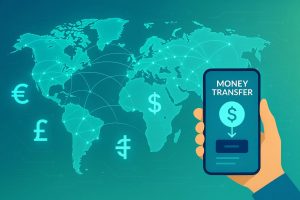
The digital revolution has reshaped this environment. Online platforms and mobile applications now allow users to initiate transfers from anywhere, at any time. These tools have not only reduced transaction costs but also increased accessibility, particularly in regions where banking infrastructure remains underdeveloped. Transparency—once a major concern—has also improved thanks to real-time exchange rate information and clear fee structures.
Trust, Regulation, and User Protection
While convenience has improved, cross-border transfers remain a highly regulated area. Financial institutions and fintech companies must comply with international standards designed to prevent money laundering and fraud. These regulations ensure that the systems remain safe and reliable, even as new players enter the market.
User protection is also evolving. Many digital transfer services now offer multi-layered security mechanisms, such as encryption, biometric verification, and instant notifications. These measures aim to balance speed with safety, giving users confidence that their money will reach the intended destination without complications.
The Role of Exchange Rates and Local Economies
One of the most significant factors affecting international money transfers is the exchange rate. Small fluctuations can have a large impact on how much the recipient ultimately receives. Some transfer services now offer fixed-rate guarantees or allow users to compare rates before confirming a transaction, helping them make more informed decisions.
For many countries, remittances are not just personal financial flows—they are vital economic lifelines. In some developing economies, remittances account for more than 10% of GDP, providing stability and contributing to local consumption and investment. This means that the efficiency of transfer systems has a direct influence on economic well-being in many regions.
Digital Inclusion and the Future of Remittances
The next stage of growth in the remittance industry will likely focus on inclusion and interoperability. As more people gain access to smartphones and internet connectivity, digital transfers will become even more widespread. Integration with local payment systems, digital wallets, and even emerging blockchain-based solutions could further enhance the speed and transparency of global transfers.
At the same time, financial literacy remains a key challenge. Users must understand the fees, rates, and options available to them to fully benefit from modern transfer technologies. The collaboration between governments, regulators, and service providers will be crucial to ensuring that digital transformation remains both inclusive and equitable.
Simplifying the Global Connection
Modern remittance platforms are not merely financial tools—they are bridges connecting people and economies across continents. The evolution from traditional wire transfers to intuitive, mobile-first systems marks a shift toward a more connected and efficient global financial ecosystem. As innovations continue to emerge, the process of sending and receiving money across borders will likely become as seamless as sending a message online.
For those interested in exploring current digital transfer options or learning more about cross-border transaction services, information can be found here:
https://koronapay.com/transfers/europe/en/landing/gb-ge/