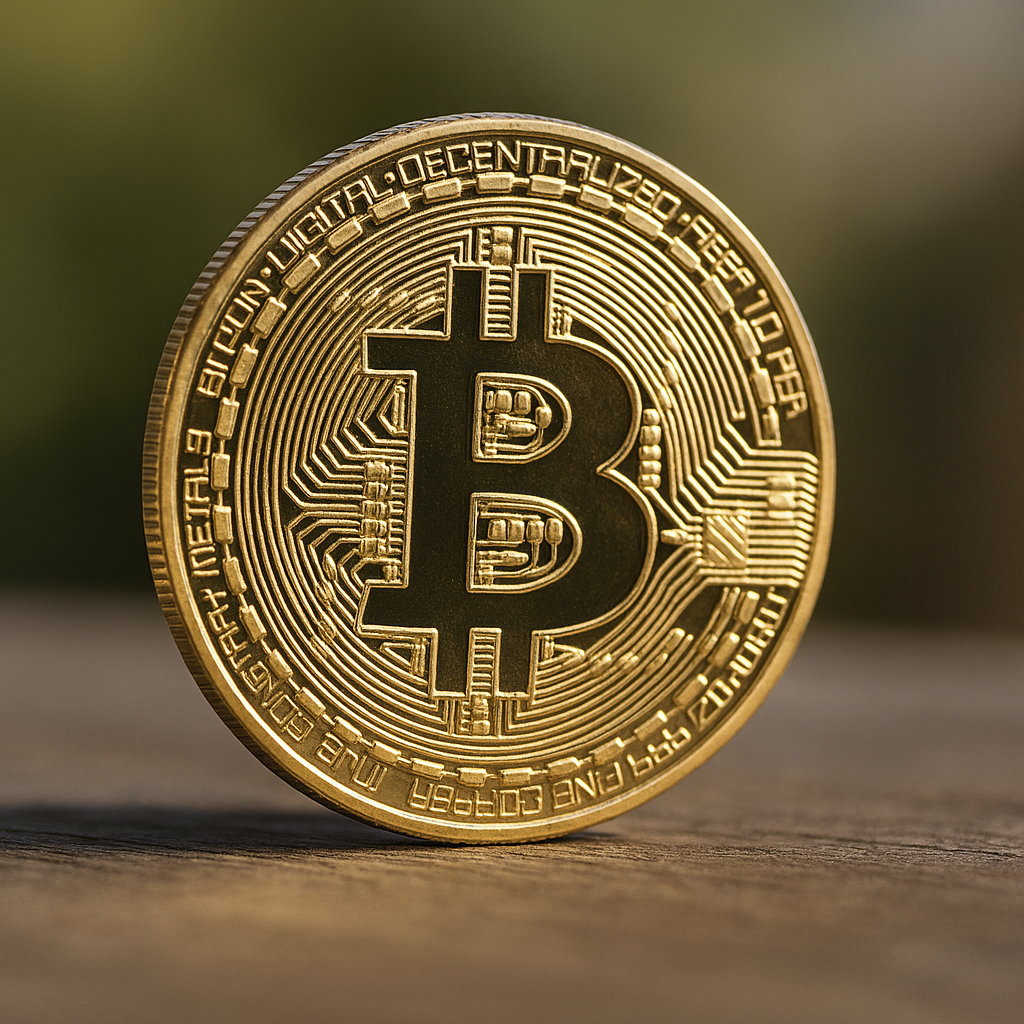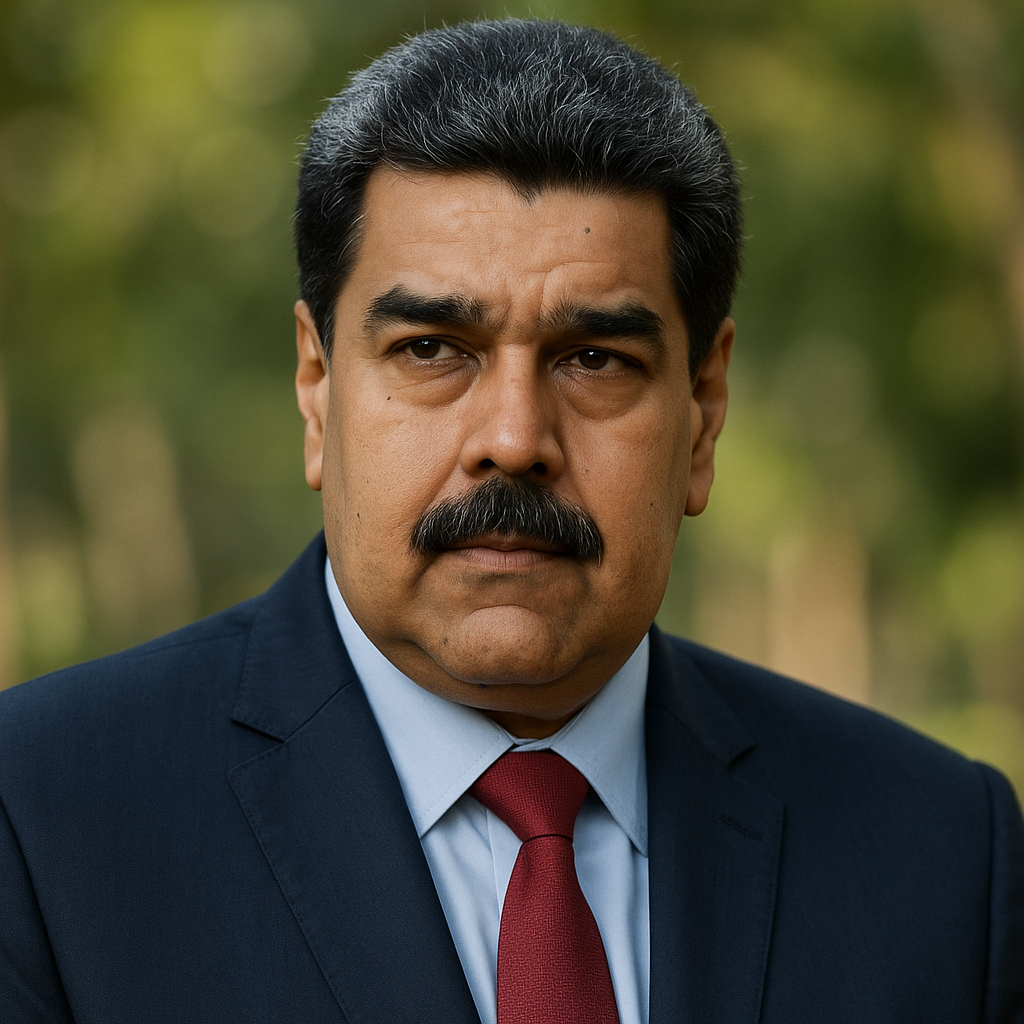
Although the petro was rolled out more than half a year prior, it has largely remained under the radar since its introduction. In August, for instance, President Maduro declared that the digital token would now serve as the official currency for the state oil and gas company, Petróleos de Venezuela, S.A.
During a broadcast address, Maduro elaborated that “Venezuela will embrace a second accounting unit derived from the petro’s valuation starting from next Monday.” He continued, stating, “This will serve as an additional accounting unit of the Republic and will commence mandatory usage within our PDVSA oil sector industry.” A mere few months have witnessed these dramatic changes.
Financial involvement in cryptocurrencies and Initial Coin Offerings (“ICOs”) involves significant risk and conjecture, and this article should not be perceived as a financial suggestion by the author or any entities to engage in cryptocurrency or ICO investments. Personal financial circumstances vary distinctly; hence, professional advice should always be sought prior to any financial commitments. The author disclaims any guarantee regarding the recency or precision of the information presented here. At the time of this article’s writing, the author holds bitcoin and ripple.
To alleviate the ongoing economic distress, which has persisted over several years, President Maduro is seemingly mandating the petro’s adoption as a unit of account. The International Monetary Fund anticipates an extraordinary 1,000,000% inflation rate in Venezuela within this year.
A resolution by Sudeban, the regulatory body overseeing Venezuela’s banking sector, dictates that financial entities in this beleaguered South American nation must ensure their financial records are represented in both the petro and the national fiat currency, the bolivar.
For a significant portion of the digital currency landscape, the notion of state-backed digital currency contradicts the core principles of digital tokens. Cryptocurrencies generally aim for decentralization and independence, with pioneering players like bitcoin and ethereum conceived as partial alternatives to central bank currencies.